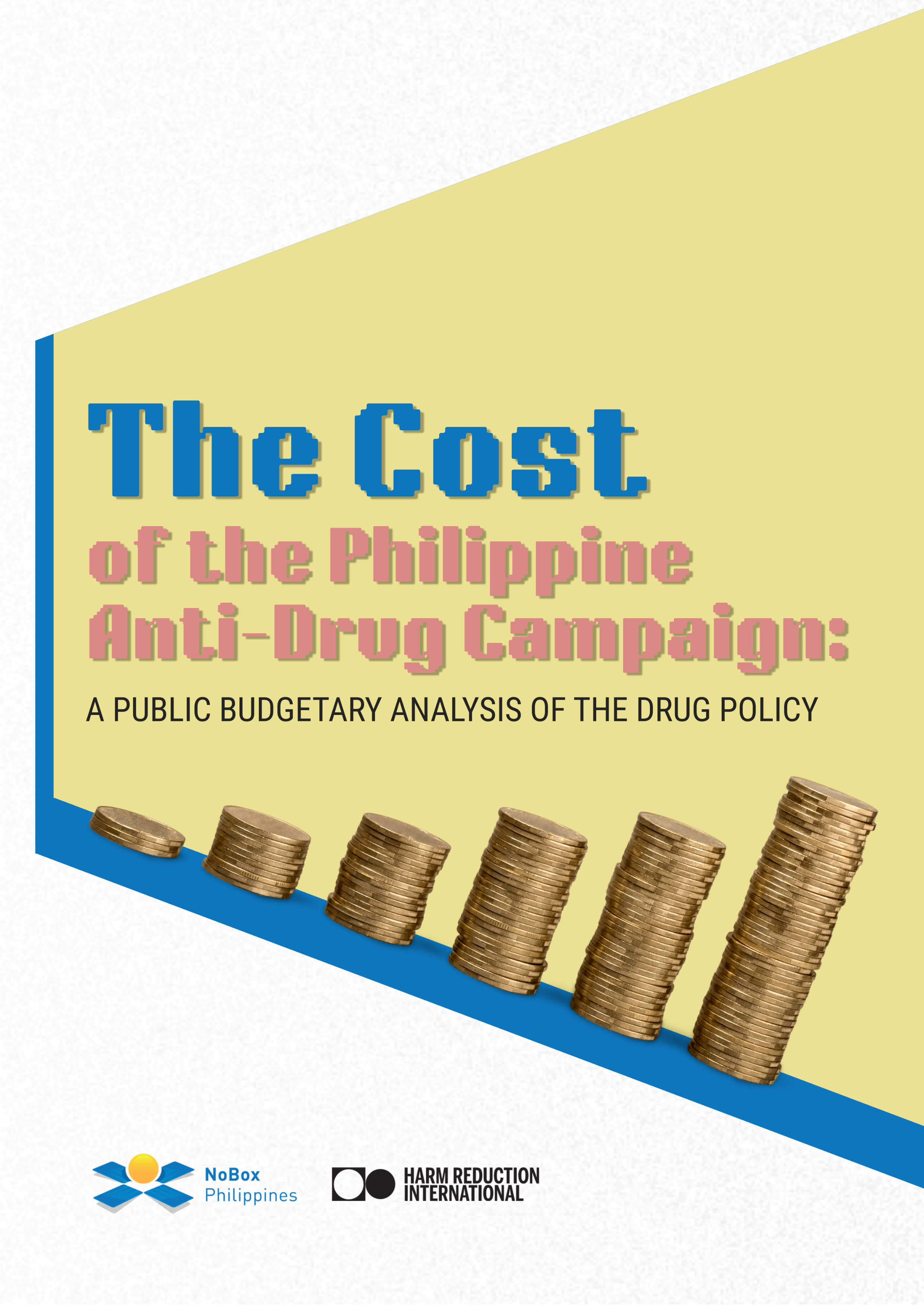
The Cost of the Philippine Anti-Drug Campaign: A Public Budgetary Analysis of the Drug Policy
The Philippines' anti-drug campaign, commonly referred to as the “war on drugs,” has been widely described by human rights organisations and observers as a state-led, enforcement-driven initiative marked by thousands of deaths, extrajudicial killings, and serious human rights violations. Some reports have described the scale of violence as unprecedented in the country’s recent history, with accountability questions surrounding the campaign now moving beyond preliminary international scrutiny: on April 23, 2026, the International Criminal Court’s Pre-Trial Chamber confirmed the charges against former President Rodrigo Roa Duterte and committed him to trial for crimes against humanity, specifically murder and attempted murder. Far less examined, however, is the financial architecture that enabled and sustained this response: where the funds came from, how much was spent, where resources flowed, and what these funding patterns reveal about the priorities of the country’s drug
policy response.
This report examines public spending on the Philippine government’s drug policy from 2015 to 2024 across three key funding streams: national government allocations, local government budget allocations, and foreign assistance (in the form of aid and international grants). Using publicly accessible budget documents, public records, donor data, and related literature, the research traces how the anti-drug campaign has been funded, where resources have flowed and what these patterns suggest about the priorities, gaps, and accountability questions in the country’s drug policy response.
See the full report here.